
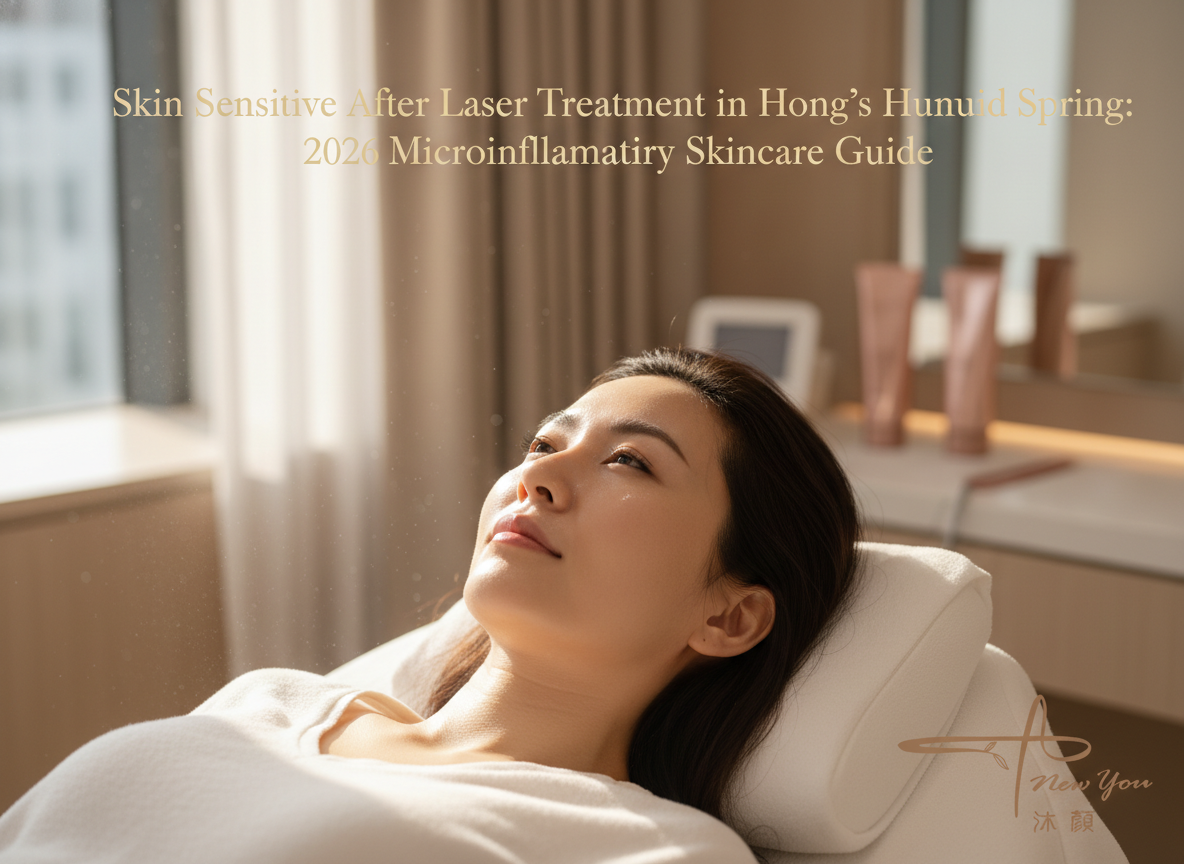
Hong Kong’s early spring brings a hidden skincare challenge that catches many by surprise. As humidity levels surge to 80-85% during February and March, your skin faces increased microbial activity precisely when post-treatment recovery demands the most protection [web:2][web:5].
Understanding the Spring Humidity Threat
February marks the beginning of Hong Kong’s notorious humidity climb, with relative humidity rapidly increasing from winter’s comfortable levels to potentially overwhelming 85%+ as we transition into spring [web:2]. This atmospheric shift creates a perfect storm for skin complications, particularly for those who’ve recently undergone high-energy aesthetic treatments like laser resurfacing, HIFU, or fractional CO₂ procedures.
When humidity exceeds 80%, fungal and bacterial activity accelerates dramatically [web:2]. Your skin, already in a vulnerable “reconstruction phase” following energy-based treatments, becomes exponentially more susceptible to inflammation and infection during this critical period [web:9][web:12].
The Critical Golden 4-Hour Window
Recent research in post-procedural skincare emphasizes what dermatologists now call the “Golden 4-Hour Window” – the immediate aftermath of aesthetic procedures when your skin barrier is most compromised [web:12]. During this timeframe, exposure to uncontrolled environmental factors can determine whether your treatment delivers transformative results or disappointing complications.
Key Risk Factors During Post-Treatment Recovery:
- Humidity fluctuations during cross-border travel
- Exposure to crowded transit environments with elevated microbial loads
- Temperature variations between air-conditioned spaces and outdoor conditions
- Lack of immediate professional monitoring for early inflammation signs
Why Climate-Controlled Recovery Matters
Following laser or HIFU treatments, your skin’s moisture barrier is temporarily disrupted, requiring optimal humidity levels around 50% for ideal healing [web:6]. In Hong Kong’s spring climate, maintaining this controlled environment becomes challenging the moment you step outside your treatment facility.
At Anewyou’s Causeway Bay location, patients benefit from precisely calibrated climate control that maintains optimal post-treatment conditions throughout recovery [web:7][web:10]. This controlled environment isn’t merely about comfort – it’s fundamental infection prevention and inflammation management during your skin’s most vulnerable hours.
The Cross-Border Treatment Dilemma
Many Hong Kong residents consider traveling north for aesthetic procedures, attracted by competitive pricing. However, few calculate the hidden costs of post-procedural transit during humid spring months.
Cross-Border Treatment Hidden Cost Calculator
Calculate the real impact of traveling for aesthetic treatments:
Professional Aftercare: The Anewyou Advantage
Superior aesthetic outcomes depend not solely on the procedure itself, but on the comprehensive care surrounding it. Anewyou’s Causeway Bay clinic provides integrated aftercare protocols that address Hong Kong’s unique climate challenges [web:7][web:13].
Climate-Optimized Recovery Protocols
Post-laser and post-HIFU skin requires specific environmental conditions to heal optimally. Temperature stability, controlled humidity, and sterile conditions must be maintained during the critical initial recovery period [web:9][web:15]. In Hong Kong’s fluctuating spring weather – where morning temperatures can differ significantly from afternoon heat and humidity spikes unexpectedly – achieving this stability becomes nearly impossible during transit.
Professional aftercare facilities maintain consistent 50-55% humidity levels and stable temperatures that support rather than stress your recovering skin barrier [web:6]. This controlled environment prevents the thermal shock and moisture imbalances that trigger inflammatory responses.
Immediate Intervention Capability
Even with perfect protocols, individual skin responses vary. The advantage of staying within your treatment facility’s vicinity during critical recovery hours means immediate professional intervention if unexpected reactions occur. Early detection and rapid response can mean the difference between minor adjustment and significant complication.
Warning Signs Requiring Immediate Professional Assessment:
- Increased redness or heat beyond expected post-treatment response
- Development of pustules or unusual discharge
- Excessive swelling persisting beyond 48 hours
- Severe itching or burning sensations
- Unexpected skin texture changes
Evidence-Based Aftercare for Spring 2026
Current dermatological guidelines for post-procedural care in high-humidity environments emphasize several core principles that directly address Hong Kong’s spring conditions [web:9][web:12][web:15].
Gentle Cleansing with Lukewarm Water
Avoid hot water entirely for at least two weeks post-treatment. Hot water further compromises your already-sensitized skin barrier and can intensify inflammation [web:9]. Use only fragrance-free, pH-balanced cleansers specifically formulated for compromised skin.
Strategic Hydration
Post-treatment skin requires moisturizers containing ceramides, hyaluronic acid, or panthenol – ingredients that actively restore protective barrier function rather than merely adding superficial moisture [web:12][web:15]. Apply these formulations generously and frequently during the first 72 hours.
Absolute Sun Protection
Even Hong Kong’s overcast spring days deliver UV radiation capable of triggering hyperpigmentation in healing skin [web:9]. Broad-spectrum SPF 50+ physical (mineral) sunscreens should be applied every two hours without exception during the recovery period.
Environmental Exposure Minimization
Limit time in uncontrolled environments during your first week post-treatment. Avoid saunas, steam rooms, strenuous exercise, and prolonged outdoor exposure [web:9]. These restrictions aren’t merely precautionary – they’re essential for optimal healing and result preservation.
Making Informed Treatment Decisions
When considering where to receive aesthetic treatments, the decision extends far beyond the procedure room. Your choice encompasses the entire ecosystem of care: pre-treatment consultation quality, procedural expertise, immediate post-treatment protocols, ongoing monitoring, and emergency intervention capability.
In Hong Kong’s unique climate context – particularly during spring’s humidity surge – proximity to professional aftercare resources becomes a critical factor in treatment success. The convenience of receiving treatments close to home or work isn’t merely about comfort; it’s about optimizing every variable that influences your outcome.
Frequently Asked Questions
How long should I avoid humid outdoor environments after laser treatments?
Most dermatologists recommend minimizing exposure to uncontrolled humid environments for 5-7 days following laser resurfacing or fractional treatments. During Hong Kong’s high-humidity spring months, this means limiting outdoor time to essential activities only and ensuring you return to climate-controlled spaces promptly. The first 72 hours are particularly critical, as this is when your skin barrier is most compromised and vulnerable to microbial colonization.
Can I use my regular skincare products immediately after energy-based treatments?
No. Your usual skincare routine must be temporarily modified following laser, HIFU, or similar procedures. Avoid all active ingredients including retinol, vitamin C, alpha-hydroxy acids, and beta-hydroxy acids for at least 7-10 days post-treatment. These ingredients, while beneficial for normal skin, can trigger excessive inflammation in compromised post-procedural skin. Instead, focus exclusively on gentle, fragrance-free cleansers and barrier-repairing moisturizers containing ceramides or hyaluronic acid until your provider clears you to resume normal products.
What makes spring particularly risky for aesthetic treatments in Hong Kong?
Spring in Hong Kong brings rapid humidity increases (often reaching 80-85%) combined with temperature fluctuations between cool mornings and warm afternoons. This creates an ideal environment for bacterial and fungal proliferation while simultaneously challenging your skin’s ability to maintain stable moisture levels during recovery. The “hui nan tian” (returning south wind) phenomenon, typically occurring February through April, brings days of extreme humidity that can overwhelm post-treatment skin if proper precautions aren’t maintained. Professional facilities with climate control mitigate these risks, but transit through uncontrolled environments during this season significantly increases complication probability.
Experience Climate-Optimized Aesthetic Care
Anewyou’s Causeway Bay clinic combines advanced aesthetic technology with Hong Kong’s most sophisticated post-procedural care protocols. Our climate-controlled environment, immediate professional monitoring, and evidence-based aftercare programs ensure your treatments deliver transformative results without compromise.
Contact us today to discover how professional aftercare optimization creates superior, lasting outcomes.