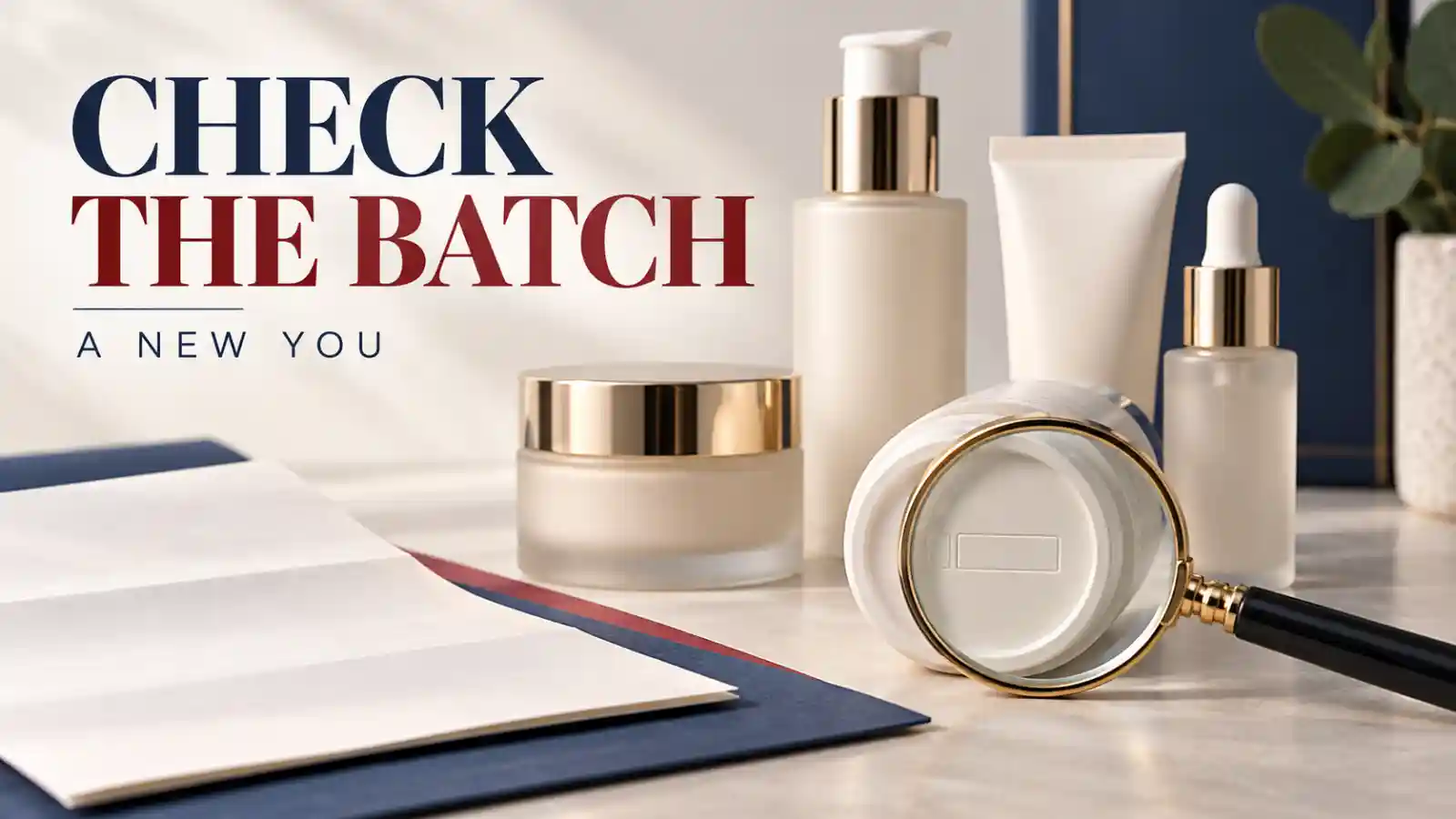
A recall is an exact-object notice
The UK Office for Product Safety and Standards publishes official alerts, reports and recalls. Its newer cosmetics data show why consumers may see more safety notices, but a headline is not enough to identify an affected item. Start with the exact notice and match brand, product name, variant, size or volume, barcode, model or batch code, packaging image and the action requested. Do not assume that every product from the same brand or every country is included. Equally, do not ignore an exact match because your container looks normal. A recall can concern chemical composition, microbiological risk, labelling, packaging or another defined non-compliance that may not be visible.
Keep jurisdiction and date attached
An OPSS notice describes the UK market and the information available on its publication or update date. It does not automatically establish a Hong Kong recall, confirm that a locally bought item came through the same supply chain, or show that A New You sold it. Check the regulator or supplier for the place where the item was purchased, and record the date you checked because notices can be corrected or expanded. Social posts, screenshots and reseller messages can point you toward a notice but should not replace the official page. If the batch code is unreadable or missing, preserve the product, receipt and photographs while asking the seller or local authority what to do.
Follow the action, not a home experiment
If the exact item matches, follow the stated action: it may say stop using, return, dispose as instructed, contact the distributor, or seek advice. Do not smell, taste, dilute, decant or deliberately patch-test a recalled cosmetic to decide whether it is safe. Keep it away from children and avoid mixing it with other contents. If it does not match, that does not prove the formula is ideal for your skin; normal irritation questions remain separate. If you develop burning, swelling, blistering, breathing difficulty, eye symptoms or widespread rash, stop use and obtain care based on severity rather than waiting for a recall investigation.
Build a calm verification record
Photograph the front, back, ingredient label, barcode, batch code and place of purchase. Save the official notice URL and update date. Write down when the product was opened and any symptoms, without assigning cause before assessment. Contact the named business or relevant local authority using a verified route. A New You can help organise skincare questions, but cannot authenticate every overseas notice, determine the legal status of an imported unit, offer a refund for another seller or diagnose a reaction. The safe sequence is simple: exact match, correct jurisdiction, official action, symptom care when needed, and no speculation about unaffected products or people.
Common questions
Does a recall cover every product from the brand?
Usually not. Match the exact name, variant, size, barcode and batch or model identifiers in the official notice.
What if I cannot read the batch code?
Keep the item, receipt and clear photographs, stop if the notice or symptoms justify it, and ask the seller or relevant authority through a verified route.
Should I test a recalled product on a small area?
No. Do not deliberately patch-test, dilute or smell an exact recalled item. Follow the official action and seek care for significant symptoms.
Sources
- UK OPSS: New data on cosmetic product safety notifications ↗
- UK product safety alerts, reports and recalls: cosmetics ↗
General, date-specific consumer education; not a legal determination, product authentication, diagnosis or confirmation of a Hong Kong recall or A New You stock.
This guide was written and edited by the A New You editorial team and has not been medically reviewed. It is not personal diagnosis or medical advice. Suitability for any treatment requires an individual assessment; seek qualified medical care for persistent or concerning symptoms.